

You’ve seen it before. The person grinding away on the treadmill for an hour, only to reward themselves with a sugar-laden “sports” drink that negates half their effort, perfectly illustrating the common disconnect between fitness and nutrition. Or the meticulous meal-prepper who never breaks a sweat, wondering why they aren’t seeing the toned physique they desire.
The Great Misconception: I Can Out-Train My Diet
This is perhaps the most pervasive myth in the health and wellness world. It’s a seductive thought—that you can enjoy whatever you want as long as you log the miles or lift the weights. But the math, and the metabolism, rarely work in our favor.
Consider this:
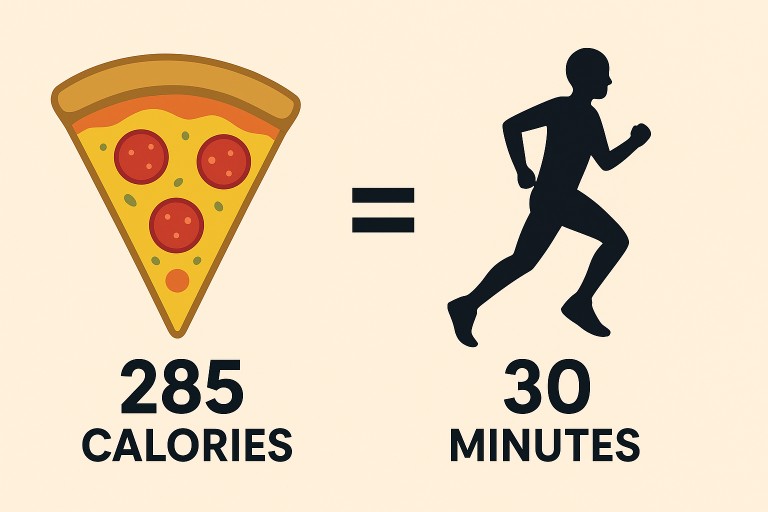
- A single slice of classic pepperoni pizza can contain 300-400 calories.
- To “burn that off,” a 160-pound person would have to run at a moderate pace for over 30 minutes.
This calorie-centric view is already flawed, but it gets worse. Exercise, especially intense training, creates micro-tears in your muscles. Your body’s ability to repair those tears, recover, and come back stronger is almost entirely dependent on nutrition. Without adequate protein, those tears don’t repair properly. Without healthy carbohydrates, your glycogen stores (your muscles’ primary fuel) remain depleted. Without micronutrients and antioxidants, inflammation runs rampant, hindering recovery.
You can’t out-train poor recovery. And recovery is fueled by nutrition.
The Fitness-Nutrient Synergy: How They Work Together
Think of your body like a high-performance sports car. Fitness is the tuning, the driving, the engine revving. It pushes the car to its limits, tests its handling, and improves its performance. Nutrition is the premium fuel, the high-quality oil, and the specialized parts. Without the right fuel, even the finest engine will sputter and fail. Without being driven, the finest parts will never reach their potential.
This synergy plays out in several key ways:
1. Energy Systems: Fueling the Fire
Different types of exercise demand different fuel sources.
- High-Intensity Exercise (Weightlifting, Sprints): Relies primarily on glycogen (stored carbohydrates). A diet too low in carbs will leave you feeling weak, fatigued, and unable to perform at your best.
- Low-to-Moderate Intensity (Jogging, Walking): Burns a mix of glycogen and fat. This is where overall energy balance (calories in vs. calories out) and sustainable fuel sources matter most.
2. The Muscle-Building Loop: Train → Feed → Grow
Muscle growth (hypertrophy) isn’t magic. It’s a simple, three-step process:
- Stimulate (Fitness): Resistance training creates stress and micro-tears in the muscle fibers.
- Rebuild (Nutrition): You consume dietary protein. The body breaks it down into amino acids, which are then used to repair and rebuild the damaged fibers, making them slightly larger and stronger than before.
- Repeat: This process, known as muscle protein synthesis, is why a post-workout meal rich in protein is non-negotiable for growth and repair. The International Society of Sports Nutrition emphasizes the importance of both total daily protein intake and its timing for maximizing this adaptive response.
3. Recovery: The Secret Weapon
The real progress isn’t made in the gym; it’s made in the hours and days after, while you recover. Nutrition is the cornerstone of this process.
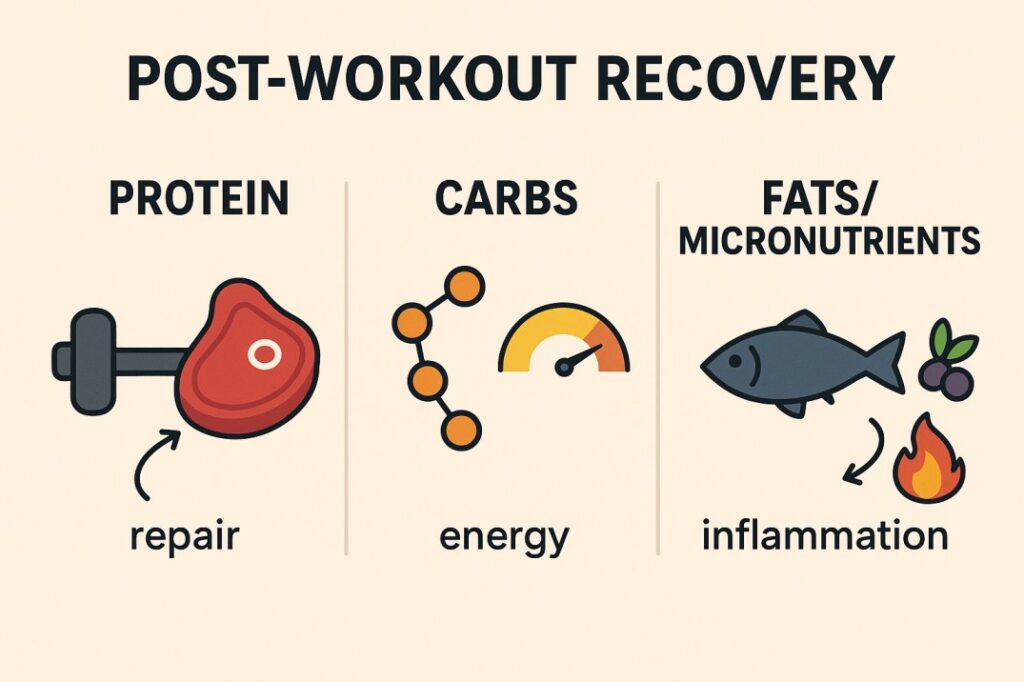
Healthy Fats & Micronutrients
- Protein: Repairs muscle tissue.
- Carbohydrates: Replenish glycogen stores.
- Healthy Fats & Micronutrients: Help modulate inflammation. For example, omega-3 fatty acids (found in fish and walnuts) and antioxidants (found in berries and leafy greens) are powerful allies in fighting exercise-induced oxidative stress.
Beyond Calories: The Quality Revolution
It’s 2024, and we know better than to judge food by calories alone. 100 calories of broccoli affects your body profoundly differently than 100 calories of soda. The concept of nutrient density—how many vitamins, minerals, and beneficial compounds a food contains per calorie—is the new north star for performance nutrition.
| Goal | Fitness Focus | Nutrition Priority |
|---|---|---|
| Weight Loss | Strength training to preserve muscle mass + cardio for calorie burn | Moderate calorie deficit, high protein, high fiber |
| Muscle Building | Progressive overload resistance training | Calorie surplus, high protein (1.6-2.2g/kg of bodyweight), balanced carbs/fats |
| Endurance | Long, steady-state cardio sessions + tempo runs | High carbohydrate intake to maximize glycogen storage |
| General Health | Mix of strength, cardio, and mobility | Focus on whole foods, plants, lean proteins, hydration |
This table isn’t a rigid prescription but a guideline showing how your goals dictate the emphasis of your fitness and nutrition plan.
Making It Practical: No More Overwhelm
This all sounds great in theory, but how do you make it work on a busy Tuesday? Forget perfection. Aim for consistency and intelligent choices.
- The 80/20 Rule: Aim for whole, nutrient-dense foods (lean meats, vegetables, fruits, whole grains, healthy fats) 80% of the time. The other 20% is for flexibility and life. This prevents burnout and makes your diet sustainable.
- Hydration is Part of Nutrition: Water is involved in every single metabolic process in your body, including energy production and fat metabolism. If you’re exercising, you need even more. Start your day with a large glass of water and keep a bottle with you always.
- Meal Timing (It’s Simpler Than You Think): While total daily intake is king, timing can optimize performance. A small meal or snack with carbs and protein about 1-2 hours before a workout can fuel your session. Eating a similar combination within 1-2 hours after training kickstarts recovery.
- Listen to Your Body: This is the most advanced skill of all. Are you constantly sore? Maybe you need more protein and sleep. Feeling sluggish during workouts? Maybe your pre-workout meal isn’t right or you need more carbs overall. Your body provides constant feedback—learn to listen to it.
The Final Rep: Your Health is a Symphony
Fitness and nutrition are not two solo artists; they are sections of an orchestra. When they play in harmony, the result is a masterpiece of energy, vitality, strength, and well-being. You cannot have one without the other and expect the music to be complete.
Stop asking whether the gym or the kitchen is more important. It’s the wrong question. The right question is: “How can I make my nutrition support my fitness goals, and how can my fitness routine enhance my body’s response to the nutrients I feed it?”
When you start to see them as two parts of a whole, that’s when the magic happens. That’s when you stop dieting and start fueling. You stop exercising and start training.
Ready to create your perfect harmony? We’re here to help you build a personalized plan. Contact Us Today for more information and to get your questions answered.
For more inspiration and tools to build your ultimate health plan, visit ThinkSparks.